
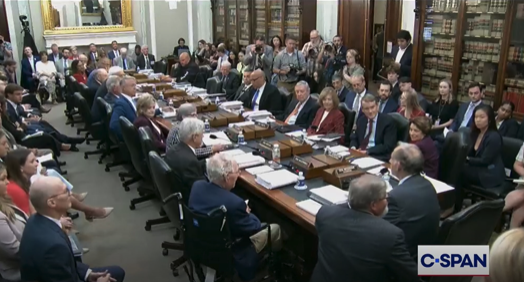
Don’t follow C-SPAN like a hawk? No need. Here’s a plain-language look at two pieces of the Senate Agriculture Committee’s new Farm Bill proposal—and why they matter for Northern Arizona.
On September 16, the Senate Agriculture Committee advanced the Agricultural Act of 2026, a five-year proposal covering agriculture, nutrition, conservation, rural development, and other USDA programs. The House proposal passed earlier this year; this bill now heads to the Senate floor, though no date has been confirmed for full Senate consideration.
For Northern Arizona, two provisions are especially worth watching.
A New Farm-to-Community Food Pipeline
Under the Biden administration, the USDA created the Local Food Purchase Assistance Cooperative Agreement Program (LFPA), using American Rescue Plan funding. It helped states and Tribal governments buy food from local and regional producers and distribute it through food banks, schools, and other community programs.
In Arizona, organizations such as Pinnacle Prevention and the Arizona Food Bank Network used LFPA funds to purchase more than $9 million in food from local farmers.
The Senate proposal would make this permanent as the Strengthening Local Food Security Program, authorizing $200 million per year from Oct. 2026 to Sep. 2031. But authorizing funding isn’t the same as funding it. Think of it like a city council approving plans for a new fire station: the project can move forward, but the blueprint alone doesn’t pay for construction. Congress would still need to appropriate the money through future budgets, which can be challenging.
A One-Year Delay in SNAP Benefit Cost Sharing
The Farm Bill also intersects with major SNAP changes enacted through H.R. 1 in 2025.
Historically, the federal government paid the full cost of SNAP food benefits, while federal and state governments split administrative costs. H.R. 1 changes both. Starting next month (Oct. 2026), states will cover 75% of administrative costs, up from 50%. Starting Oct. 1, 2027, states will also pay a share of benefit costs based on their payment error rates.
The Senate proposal doesn’t delay the administrative-cost increase, but it does push the benefit cost-sharing requirement back a year for most states, to Oct. 1, 2028. States with especially high historical error rates get an additional year.
What does this mean for Northern Arizona?
Northern Arizona food banks, pantries, schools, and community organizations often sit far from major food-distribution hubs, so we’re usually last in line. Higher food costs and increased food insecurity across the state have recently led to less food reaching N. AZ access organizations.
That’s why the Strengthening Local Food Security Program could matter here: it allows food-access organizations to buy directly from farmers and ranchers rather than relying solely on national commodity and charitable supply chains.
The SNAP changes carry a different kind of consequence. Though aimed at “working-capable adults,” NAHAP’s analysis of the Department of Economic Security’s own statistical bulletin found that over 11,838 children have lost SNAP access across Coconino, Navajo, and Apache counties since H.R. 1 took effect.
Arizona’s recent struggles with SNAP and warnings about looming Medicaid changes suggest the state’s systems are ill-equipped for rapid change. For Northern Arizona, where food insecurity is higher and access to government and emergency assistance is already limited, how Arizona implements these changes will matter considerably.
We will continue to track this and will let members know how to take action.

