
FOOD POLICY VOTER GUIDE
What is this?
The Northern Arizona Hunger Action Partnership created this Voter Policy Guide to help voters learn more about candidates’ views on healthy food access, food and farm systems, and rural food access. We hope this educational resource provides valuable insight into these issues and empowers you to make informed decisions at the ballot box this November.
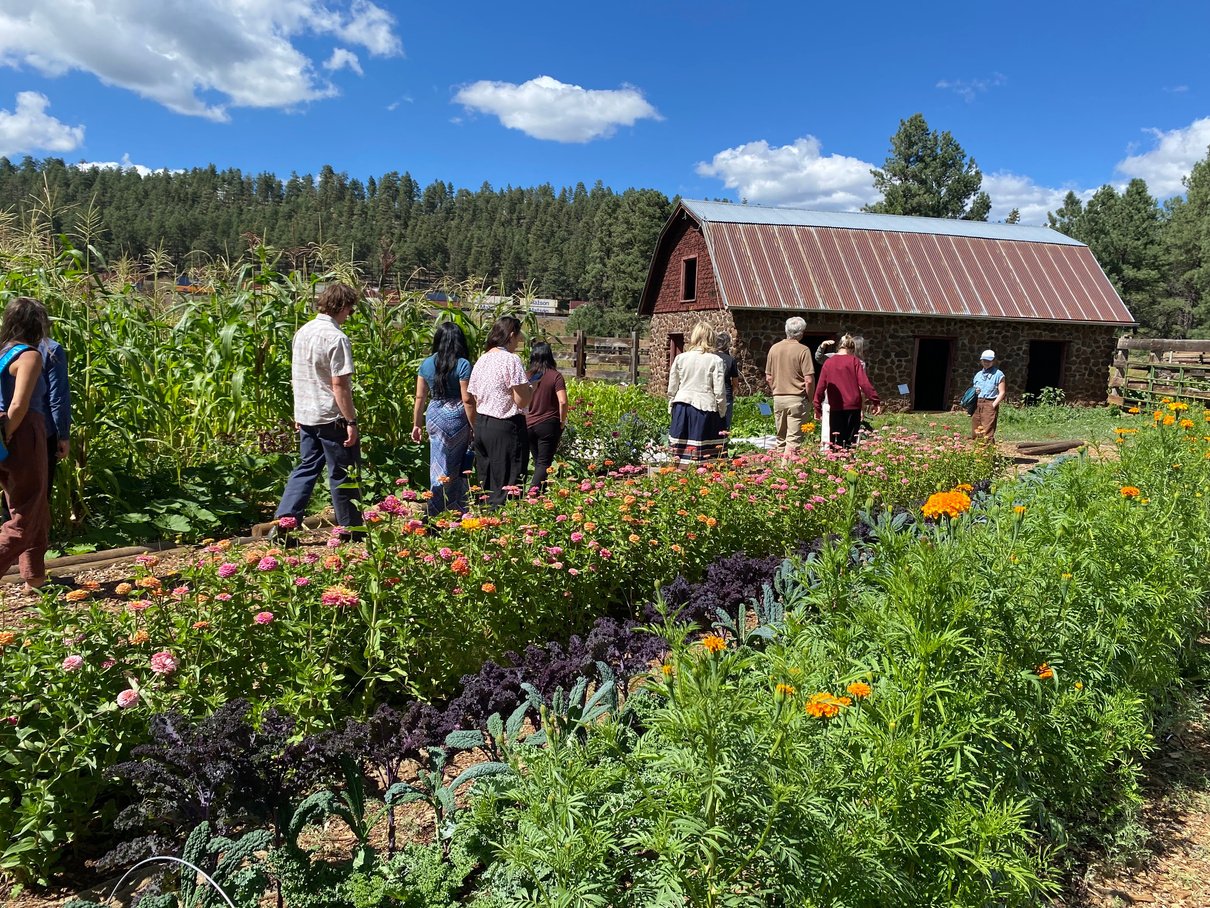
Process
Questions were developed with Northern Arizona Hunger Action Partnership coalition members, including farmers, food bank professionals, and community members, to reflect food access and food system priorities across our region.
All candidates running for Legislative Districts 6 & 7, Congressional District 2, and Governor, regardless of political affiliation, were invited to participate. Candidates running for the same office received identical questions, the same word limit, and the same response deadline.
This guide is intended to help voters understand candidates’ perspectives on issues affecting hunger and food security in Northern Arizona.
**NAHAP does not endorse or oppose candidates, and participation in this guide does not constitute an endorsement.**
STATE REPS
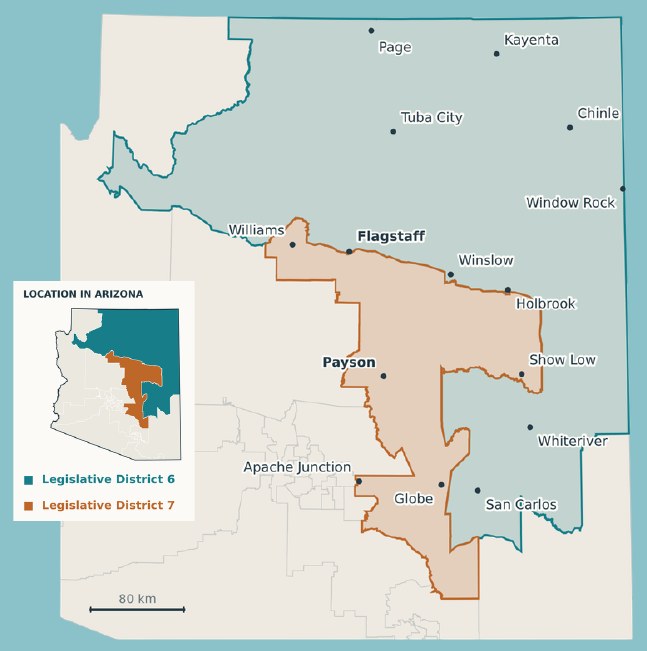
STATE REPRESENTATIVE CANDIDATE QUESTIONS
Northern Arizona communities experience high rates of food insecurity and diet-related health challenges, while rural and Tribal communities often have fewer places to purchase fresh, nutritious food. At the same time, Arizona faces growing costs associated with administering SNAP.
As a state legislator, what role should state government play in improving access to healthy food in rural and Tribal communities?
What policies, investments, or reforms would you prioritize, and how would you approach them within a limited state budget?
Please identify at least one specific action you would support to improve the availability or affordability of nutritious food in these communities.
Northern Arizona’s smaller farms and ranches can face disadvantages in accessing state programs, infrastructure, technical assistance, and markets compared with larger agricultural operations elsewhere in Arizona.
What role should the state play in ensuring that agricultural programs and investments work for producers of different sizes and regions?
Of potential approaches such as local purchasing, infrastructure, producer assistance, market development, or expanded technical support in Northern Arizona, which would you prioritize, and what specific legislation or state investment would you support?
Housing costs, wages, transportation, healthcare, water, utilities, and other basic infrastructure can all affect whether rural Northern Arizona households can afford and access nutritious food.
Of the rural conditions that can contribute to food insecurity—including housing costs, wages, transportation, healthcare access, water, and utilities—which would you prioritize, and what specific state action would you pursue to improve it?
Given competing demands on Arizona’s budget, how would you approach that priority, and what measurable outcome would you use to determine whether your approach was successful?
District 6: State Senate
Question 1: Healthy Food Access
I believe the solutions start with strengthening local systems instead of relying only on distant supply chains.
- Support local growers: Partner with small farms, ranchers, and tribal producers to expand farmers’ markets and co-ops.
- Improve distribution: Work with food banks and nonprofits to ensure fresh produce can reach remote areas regularly.
- Encourage school nutrition: Expand farm-to-school programs so kids get healthy meals while supporting local agriculture.
- Invest in infrastructure: Promote grants for refrigeration, storage, and transport so rural stores can carry fresh food.
- Community partnerships: Collaborate with churches, tribes and civic groups who already serve families in need.
Question 2: Northern AZ’s Food & Farm System
I believe state resources should be used wisely to empower people and communities so they can stand on their own.
Infrastructure Investment: Cold storage, transport, and processing hubs that allow small farms to compete fairly.
Local purchasing: Expanding farm-to-school and institutional purchasing so local food reaches local families.
Producer Assistance: Cutting red tape and offering technical support so small operations can access programs without being buried in bureaucracy.
I would support legislations that funds regional distribution hubs and expands farm-to-school programs that invest and strengthen communities, reduce dependence, and ensure nutritious food is available in rural Arizona.
Question 3: Northern AZ’s Rural Conditions
The state cannot solve every issue at once, but it can make smart investments that strengthen communities instead of creating long-term dependence. I would prioritize transportation and infrastructure. Without reliable transport and storage, even the best local food cannot reach families. By funding regional distribution hubs, improving rural roads, and supporting cold storage facilities we make it possible for small farms and ranches to deliver affordable, nutritious food to households. To measure success, I would look at increased local purchasing and reduced food insecurity rates in rural and indigenous communities. If more schools, food banks, and families are buying from local producers, and fewer household report skipping meals due to cost or access, then we know the investment is working. This approach uses state resources wisely as targeted support that empowers communities to stand on their own.
Question 1: Healthy Food Access
There is a shortage of food diversity and opportunity to self-sustain families in Arizona. Networks such as the Northern Arizona Hunger Action Alliance have the relationships and expertise to bring solutions forward. Having worked in agriculture I would offer to draft legislation to strengthen the infrastructure of local food producers in rural and tribal areas. This could be in the form of funding to strengthen existing organizations in these areas. Arizona’s food producing communities are diverse and are their own experts on what works for them.
A possible legislative solution is creating a “Food Deserts in the Desert Local Healthy Food Grant Program”. Government could offer more local food producers to accept SNAP rather than simply only commercial retail stores, fast food and gas stations etc.
Question 2: Northern AZ’s Food & Farm System
First, I would establish an Indigenous Peoples Standing Committee, an Indigenous Peoples Caucus already exists. Of all the programs in place at this time I would prioritize local food producers state programs to access regional markets. With increasing fuel and food prices, rural and tribal food deserts have existing populations to provide food too. Marketing delicious, local, traditional foods, educating about non-processed foods is basic to helping local farmers and ranchers be successful. Technological assistance with taking SNAP, WIC etc. is a part of these solutions as well as customer targeted incentives could be offered.
Question 3: Northern AZ’s Rural Conditions
Water is required at the most basic level, and water access is unequitable in Arizona. US and state water agencies and jurisdictions are failing to reach a fair, humane and just way to get water to those that need it. Water access should be recognized as a human right in the US and the state of Arizona. I would prioritize this as a legislative solution to find.
District 6: AZ House Rep
Candidates Who Did Not Submit Responses:
Mae Peshlakai, Democrat (Incumbent);
Ian Teller, Democrat

Question 1: Healthy Food Access
Arizona has been hurt most by the cuts in SNAP, and many who still qualify just can’t keep up with the paperwork. The state should fund case managers to support families and individuals with the paperwork needed to get them the support they qualify for. The state should support community efforts to obtain fresh, nutritious food by giving tax benefits to grocery Co-Ops, not large corporations. Finally, the state should fund a pilot for existing food banks to sustainably expand their reach through mobile or satellite distributions.
Question 2: Northern AZ’s Food & Farm System
I believe the state should provide face-to-face assistance for small farmers & ranchers to complete the paperwork and processes to access the programs they qualify for. This includes SNAP & Double Up Food Bucks at farmers markets as well as aid programs. I support legislation requiring public schools and universities to prioritize local, small farms when purchasing food. Residential garden growers should be protected in their ability to grow food for their own families. Finally, I believe local growers would be an essential part of the state’s uplifting of local grocery Co-ops, which I believe is essential Arizona does.
Question 3: Northern Arizona’s Rural Conditions
Many of these factors need to improve to bring affordability to rural Arizona. For energy, I believe the legislature should implement a clean energy mandate to expand our use of cheaper renewables that do not sway with global oil markets. We also need to implement binding ethics requirements for the Arizona Corporation Commission to ensure they no longer accept donations from the utilities they are supposed to regulate. Particularly with our tribal communities, the state should task universities with identifying safe and unsafe wells for drinking water to give community members peace of mind and students important educational opportunities. Banning unlimited water permits and ensuring large water users are justified in their use is also essential. Finally, the legislature should consider our more extreme weather and allocate more funding to roads in the northern part of the state. Whichever committee I’d be assigned to is where I would have the most impact and would influence where I prioritize most among these areas.
District 7: AZ House Rep
Candidates Who Did Not Submit Responses:
David Cook Sr., Republican,
Samuel Martin, Democrat
Richard Grayson, Green Party
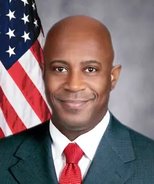
Question 1: Healthy Food Access
Food security is not simply a question of whether a family can afford groceries. In rural Northern Arizona, it is also about whether nutritious food is available in the first place. Representing Legislative District 7, I understand the challenges facing communities where families may travel significant distances to purchase fresh fruits, vegetables, dairy products, and other essential groceries. These challenges are especially significant in rural and Tribal communities.
I believe state government’s responsibility is to remove barriers, strengthen local partnerships, and ensure taxpayer resources are spent effectively—not create another expensive government bureaucracy.
I would prioritize three actions.
- I would support establishing a Rural and Tribal Healthy Food Access Initiative through existing state agencies. This would provide competitive, performance-based assistance for mobile food markets, refrigerated storage, and partnerships among local farmers, ranchers, grocery retailers, food banks, and Tribal governments.
- I would support expanding access to existing nutrition incentives, including Double Up Food Bucks, which helps eligible SNAP households purchase fresh produce. We should prioritize communities with limited grocery access while respecting Tribal sovereignty and locally determined needs.
- I would pursue greater accountability and efficiency in SNAP administration. Federal changes are increasing Arizona’s financial responsibilities. We must reduce avoidable administrative errors, improve eligibility processing, prevent fraud, and protect assistance for eligible families.
With a limited budget, I would prioritize existing federal resources, competitive grants, public-private partnerships, and measurable outcomes before proposing new ongoing spending. My goal is straightforward: More affordable, nutritious food reaching more families, fewer unnecessary government expenses, and stronger local food systems.
Question 2: Northern AZ’s Food & Farm System
Agriculture is an essential part of Northern Arizona’s economy, heritage, and way of life. Our farmers and ranchers should have a fair opportunity to compete, regardless of the size of their operation or their distance from Phoenix.
As a member of the House Rural Economic Development and Appropriations Committees, I believe our agricultural policies must recognize the different challenges facing producers throughout Arizona. I would prioritize market access, agricultural infrastructure, and technical assistance.
First, I would support a Northern Arizona Agricultural Market Access and Infrastructure initiative that helps smaller producers access shared refrigerated storage, transportation, distribution facilities, and processing capacity. These investments can reduce waste, lower transportation costs, and help local producers reach more customers.
Second, I would strengthen connections between Arizona farmers and ranchers and institutional purchasers,including schools, community colleges, hospitals, and other public institutions. I support voluntary, competitively priced local purchasing opportunities that comply with applicable procurement requirements—not costly mandates that increase expenses for taxpayers.
Third, I would work with the Arizona Department of Agriculture, the University of Arizona Cooperative Extension, county governments, and Tribal agricultural organizations to improve access to technical assistance and existing agricultural programs.
I would support legislation directing the state to identify regional gaps in agricultural infrastructure and establish a transparent, competitive process for evaluating rural projects. Priority would go to proposals demonstrating local participation, matching resources, and measurable economic benefits.
We should leverage federal agricultural funds and private investment before committing significant new state dollars. Success means more Northern Arizona products reaching Arizona markets, lower distribution costs, greater opportunities for small producers, and more agricultural dollars remaining in our rural communities.
State government should help create the conditions for agricultural businesses to grow—not dictate how farmers and ranchers operate.
Question 3: Northern AZ’s Food & Farm System
When families must choose between paying their mortgage, filling their gas tank, purchasing medication, or putting nutritious food on the table, we have an affordability problem that demands real solutions.
Throughout Northern Arizona, families face challenges that are often different from those in metropolitan communities. Longer travel distances, limited housing availability, higher transportation expenses, infrastructure limitations, and restricted access to healthcare can consume a significant portion of household income.
My first priority would be reducing the combined burden of housing and transportation costs on rural families. Housing is one of the largest expenses in a household budget. When housing costs increase faster than wages, families have less money available for food, healthcare, and other necessities.
I would support legislation that removes unnecessary regulatory barriers to housing construction, encourages responsible development where infrastructure can support it, and expands opportunities for attainable workforce housing. Local governments must maintain a meaningful role in planning, and water availability must remain central to responsible growth.
Transportation is equally important. Many rural residents must drive substantial distances for employment, medical appointments, and groceries. I would work to direct existing rural transportation resources toward projects that improve access to essential services, including coordinated transportation partnerships serving seniors, veterans, working families, and Tribal communities.
With competing demands on Arizona’s budget, I would prioritize regulatory reforms, existing federal transportation funding, targeted infrastructure investments, and public-private partnerships rather than creating expensive permanent programs.
I would measure success through three outcomes:
- A reduction in the percentage of household income spent on housing and essential transportation.
- Improved access to grocery stores, healthcare facilities, and employment opportunities in underserved rural communities.
- Increased availability of attainable housing and measurable reductions in household food insecurity.
I would require participating agencies to establish baseline measurements and report progress annually so legislators and taxpayers can determine whether investments are producing results.
Leadership is not simply identifying problems. It is having the courage to pursue solutions and the discipline to measure whether those solutions work. My commitment is to make Northern Arizona a place where hardworking families, seniors, veterans, and future generations can afford to live, work, and put nutritious food on their tables.
District 7: State Senate

Question 1: Healthy Food Access
State government should help ensure that where someone lives does not determine whether they can afford healthy food. In many rural and Tribal communities, food deserts, long travel distances, limited transportation, and high grocery costs make nutritious food harder to access.
I would prioritize investments that strengthen sustainable local food systems—supporting local farmers and ranchers, farmers markets, food hubs, community gardens, school and institutional purchasing, food Co-ops and infrastructure that helps food be grown, processed, stored, and distributed closer to where people live. These investments can improve food access while keeping more dollars circulating in rural communities.
One specific action I would support is expanding incentives that help SNAP participants purchase Arizona-grown fruits, vegetables, and other nutritious foods from local producers and retailers.
I also believe food security must be part of emergency planning. Wildfires, floods, severe weather, road closures, or supply disruptions can quickly isolate rural communities. Arizona should work with counties, Tribes, food banks, schools, producers, and local organizations to develop regional emergency food plans and strengthen local food storage and distribution capacity.
With a limited budget, I would prioritize programs that leverage federal, local, Tribal, nonprofit, and private resources while producing measurable community benefits.
Question 2: Northern AZ’s Food & Farm System
My priority would be strengthening local and regional markets. I would support legislation establishing a Northern Arizona Food Infrastructure and Market Access Fund to help small and mid-sized producers expand cold storage, processing, aggregation, distribution, and other shared infrastructure.
I would also expand state and school purchasing of Arizona-grown food so more public dollars support Arizona producers while improving access to fresh food in our communities. Procurement rules should make it easier—not harder—for smaller farms, ranches, food cooperatives, and Tribal producers to compete.
Finally, I would increase technical assistance to help producers access grants, conservation programs, water-efficiency resources, and business-development support.
The goal should be a stronger regional food economy where producers can stay profitable, communities have greater food security, and more of the money Arizonans spend on food stays in Arizona.
Question 3: Northern AZ’s Rural Conditions
My first priority would be housing affordability. I would support a broader Housing Stability and Rent Shock Protection package that expands housing supply, speeds permitting, supports manufactured and workforce housing, and protects renters from extreme sudden increases that can destabilize a household.
Within a limited state budget, I would focus on policies that reduce costs without requiring large permanent spending commitments, while targeting state infrastructure dollars toward communities that are actually producing attainable housing. I would also pursue federal and private matching funds wherever possible.
I would measure success by whether fewer rural households are cost-burdened—meaning they spend more than 30% of their income on housing—and whether food insecurity rates decline in the same communities.
The goal is simple: families should not have to choose between keeping a roof over their heads, paying the electric bill, filling a prescription, or putting healthy food on the table.

Question 1: Healthy Food Access
State government should be a partner and referee—not the grocer of last resort. Rural and Tribal Northern Arizona lack nearby retail, transportation, cold storage, and a SNAP system that is accurate, timely, and locally workable. With SNAP administrative costs shifting onto the state, Arizona cannot afford sloppy or Phoenix-centric processes that leave Navajo, Hopi, and rural families waiting while error rates stay high. Compassion without integrity is not sustainable; integrity without access is not compassion.
I would prioritize three things in a limited budget: program integrity first, so Arizona is not forced into a large state share of SNAP benefits; incentives that buy Arizona food, not more paperwork; and private and community capacity where the market is thin. I would support a tightly audited expansion of Double Up Food Bucks at rural stores, trading posts, mobile markets, CSAs, and farmers markets in Coconino, Navajo, Apache, and Yavapai Counties—paired with DES eligibility help closer to Tribal and rural communities. Every matched SNAP dollar puts produce on a table and cash in a Northern producer’s pocket. That is more durable than a one-time food-bank appropriation.
I would not create a state grocery chain. Cut friction, defend against waste, and steer limited dollars toward matches and logistics local retailers and Tribal enterprises can use.
Question 2: Northern AZ’s Food & Farm System
Arizona agriculture was built around scale—Yuma, the desert produce belt, large commodity operations. That strength is a disadvantage for a high-country rancher, a small Flagstaff-area grower, or a Tribal farm that needs a cooler, wash-pack line, food-safety plan, and a buyer who will take 40 cases, not 4,000. The state’s role is to make existing programs usable by different sizes and regions: simpler applications, scoring points for rural and Tribal producers, and mid-chain infrastructure—aggregation, refrigeration, distribution—not more central planning.
I would prioritize infrastructure plus technical assistance, then market development. Local purchasing only works if product can be washed, cooled, insured, and delivered on time.
I would support a Northern Arizona Rural and Tribal Food Hub package through the Arizona Department of Agriculture, building on Resilient Food Systems work already reaching White Mountain Apache, Hopi, and Coconino-area farms.
Concretely: a multi-year state match for shared cold storage and aggregation in the Flagstaff–Winslow–Show Low corridor; an AZDA Northern Arizona producer liaison with Cooperative Extension; and an “Arizona-grown first” preference in state and school purchasing when a Northern producer meets price, volume, and food-safety standards. Small equipment grants beat large, slow projects only big operators can navigate. Help people sell what they grow.
Question 3: Northern AZ’s Rural Conditions
If a family in Flagstaff or Tuba City spends most of the paycheck on housing, the grocery bill is already lost. Wages, healthcare, water, and utilities all matter. I would prioritize housing costs—the largest drain on the food budget in my political home. High rent and scarce workforce housing force nurses, teachers, service workers, and young families into impossible choices. On Tribal lands, water and haul distances compound the problem. Food insecurity is not a SNAP-only issue while shelter consumes the household.
Specific action: a rural workforce-housing package that is regulatory first and subsidy second. Streamline permitting for modest-density workforce housing, ADUs, and employer-sponsored units in high-cost mountain towns; expand Greater Arizona Development Authority technical assistance so small towns and Tribes can close on infrastructure; and target Housing Trust and infrastructure dollars to shovel-ready rural projects tied to local employment. Pair that with Tribal water connections. A kitchen without water is not a kitchen.
No blank checks. Use existing bonding and technical-assistance tools, require local match and private participation, and sunset funds against results.
Measurable outcome in four years: fewer Coconino and neighboring rural renter households spending more than 30 percent of income on housing, and more Arizona-grown produce retail points within a reasonable drive of rural and Tribal communities.
FEDERAL REPS
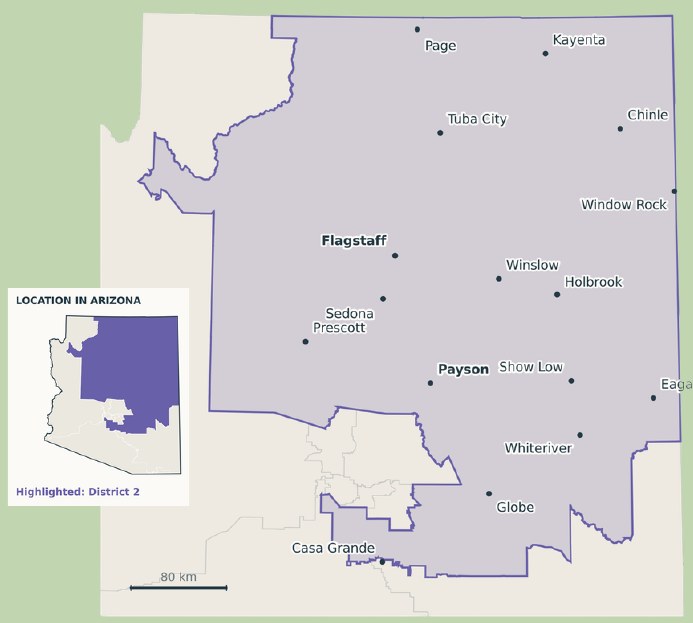
FEDERAL REPRESENTATIVE CANDIDATE QUESTIONS
Northern Arizona includes some of the state’s most food-insecure rural and Tribal communities, where residents can face long distances to grocery stores and barriers to accessing federal nutrition programs.
As a member of Congress, what federal nutrition policies or programs would you support, change, or protect to improve access to healthy and nutritious food in these communities?
How would you work with Tribal governments and rural communities in Congressional District 2, and what outcomes would you use to measure progress?
Northern Arizona’s small and family-operated farms and ranches often compete for federal resources within programs designed to serve agricultural operations of very different sizes and conditions. Producers in the region can also face long distances to USDA services, limited technical assistance, infrastructure gaps, and fewer local markets.
As a member of Congress, what specific changes to federal agricultural policy, funding, or program delivery would you pursue to ensure Northern Arizona producers can effectively access and benefit from federal support?
How would your approach account for the scale and geographic challenges of farming and ranching in Northern Arizona?
Rural and Tribal communities across Northern Arizona face persistent challenges related to water, roads, broadband, housing, healthcare, utilities, and economic opportunity – all of which contribute to higher rates of food insecurity across the region.
Which of these conditions would you prioritize as a member of Congress, and what specific federal policy, investment, or reform would you pursue to address it?
How would you work with local and Tribal governments, and what measurable outcome would you use to determine whether conditions were improving?
District 2: U.S. House Rep.
Candidates Who Did Not Submit Responses:
Curtis Goodwin, Libertarian;
Elijah Crane, Republican (Incumbent)
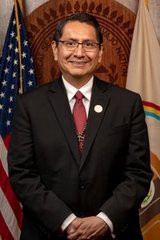
Question 1: Healthy Food Access
SNAP is a hand-up, not a hand-out, and here in AZ-02, roughly 25,000 residents risk losing benefits. Congress should fully fund SNAP while ensuring monthly benefits go to those who qualify. We need to address waste, fraud, and abuse and ensure only qualifying households receive their allotted funds. There should be a comprehensive discussion about who qualifies for SNAP benefits. Eligibility should reflect household income and the state of the local economy, accounting for inflation and current economic conditions.
Beyond SNAP, we need to strengthen food pantries, food banks, soup kitchens, congregate meal sites, and mobile pantries by connecting them with farmers, grocery stores, restaurants, and schools to redirect surplus food. The government could also help fund transportation and storage so food can reach rural communities.
The Federal Emergency Food Assistance Program (TEFAP) resources must reach states, local agencies, and community partners efficiently. I would work directly with Tribal and rural leaders to identify where federal resources are needed most and deliver them. Progress should be measured by community feedback, food insecurity rates, measuring payment accuracy, and tracking the stores and restaurants that accept EBT.
Question 2: Northern AZ’s Food & Farm System
Federal agricultural programs need to understand the unique challenges Northern Arizona’s small farms, family ranches, and rural producers face. I will be a key communicator between our farms and the federal government. Federal resources should be accessible to every food bank no matter how far it is from a USDA office. I would push to assist local farms by investing federal dollars into local USDA offices and mobile services so food producers can navigate assistance applications and access funds without traveling hundreds of miles. I would advocate for grants and low-interest loans to help family farm operations. They should invest in water infrastructure, irrigation efficiency, fencing and equipment to aid their operations. We should reduce red tape to ensure smaller producers can compete for federal funding. I would support programs that connect ranchers and farmers with local buyers. I would work directly with Tribal leaders, ranchers, and farmers to identify gaps in programs and measure progress by how many producers receive assistance.
Question 3: Northern AZ’s Rural Conditions
AZ-02 faces challenges with water, roads, broadband, health care, and utility costs, and I have experience addressing each. As Navajo Nation President, I secured federal funding that was used to expand and strengthen broadband access to rural communities. In turn, broadband expansion can lower the price of broadband connection and connect families to resources. When it comes to utilities, families are experiencing massive energy rate hikes. Arizona’s abundant sunshine also presents opportunities to expand solar energy and help lower utility costs for families. I helped fund four medical centers being built in towns across the Navajo Nation: Bodaway-Gap, Dilkon, Pueblo Pintado, and Gallup. I also helped secure projects for staffing quarters at medical facilities in Kayenta and Crownpoint. As for roads, I will emphasize obtaining federal funds to expand and repave critical roads and other infrastructure across the district. Water remains my top priority. I will obtain federal funding to expand waterlines and work with federal agencies to secure water rights. I will communicate with Tribal governments to agree upon water rights deals, infrastructure dollar allotments, healthcare facilities, and utilities assistance that make sense to all parties.
AZ GOVERNOR CANDIDATE QUESTIONS
As Governor, what specific policy or administrative change would you pursue to increase the availability and/or affordability of nutritious food in rural and Tribal communities?
How would you approach these challenges within the state’s fiscal & partisan constraints?
Northern Arizona’s small and family-operated farms and ranches often operate at a different scale and under different conditions than larger agricultural operations elsewhere in the state, including greater distances to markets and services, limited infrastructure, and less access to state technical assistance.
As Governor, what role should state government play in strengthening their long-term viability?
Of these challenges—water, land, capital, infrastructure, market access, or access to technical assistance—which would you prioritize, and what specific state policy, investment, regulatory change, or administrative action would you pursue?
Please identify at least one rural or Tribal infrastructure challenge where you believe state action is warranted and describe what your administration would do.
What specific outcome would you use to judge whether your approach was successful?
AZ GOVERNOR RACE
Candidates Who Did Not Submit Responses:
Katie Hobbs, Democrat (Incumbent);
Andy Biggs, Republican;
Risa Lombardo, Green Party

Question 1: Healthy Food Access
As Governor, I would prioritize affordable, nutritious food access in rural and Tribal communities by strengthening Arizona’s local food supply chain. I would pursue partnerships with farmers, ranchers, Tribal governments, food banks, schools, healthcare organizations, and grocery providers to expand access to fresh, Arizona-grown food. This includes supporting mobile markets and grocery delivery in food deserts, improving transportation and cold-storage infrastructure, expanding farm-to-school and farm-to-community programs, and helping Arizona farmers and ranchers sell directly to local communities.
For Tribal communities, solutions must be developed with Tribal leaders, respect Tribal sovereignty, and recognize that each Nation has different needs. I would support Tribal agriculture, locally operated food programs, and infrastructure that strengthens long-term food independence. Rather than automatically raising taxes or creating another costly program, my administration would identify existing state resources and pursue available federal funding, grants, and public-private partnerships. Food security should not be partisan.
My measure of success would be clear: fewer rural and Tribal communities with limited food access, lower barriers to nutritious food, stronger local agriculture, and measurable improvements in food affordability and availability.
Question 2: Northern AZ’s Food & Farm System
As Governor, I believe state government should be a partner to Arizona’s small and family-operated farms and ranches—not another obstacle. Northern Arizona agriculture faces unique challenges that require rural solutions, not one-size-fits-all policies. My first priority would be water security. I would protect agricultural water from unchecked high-water-use development, strengthen rural groundwater planning, expand conservation and efficiency programs, and improve access to grants and technical assistance. Major industrial users, including AI data centers, should demonstrate sustainable water and energy resources rather than compete with farms, ranches, and communities for limited supplies. I would also invest in rural infrastructure and market access, including roads, broadband, water systems, local processing, distribution, and stronger connections between Arizona producers and Arizona schools, businesses, and consumers. Finally, I would simplify access to financing, grants, conservation programs, succession planning, and state and federal resources. My goal is simple: keep Arizona agriculture in Arizona families’ hands. Success means protecting water, reducing unnecessary barriers, strengthening rural economies, and ensuring farmers and ranchers have a real seat at the table when decisions affect their land, livelihoods, and future.
Question 3: Northern AZ’s Rural Conditions
One major rural and Tribal infrastructure challenge in Arizona is reliable access to water. Many communities face aging infrastructure, groundwater uncertainty, and limited resources to develop long-term water solutions. As Governor, I would make rural and Tribal water security a statewide priority. My administration would work directly with local and Tribal leaders to identify urgent needs and invest in repairing aging systems, groundwater recharge, water reuse and recycling, brackish groundwater development, and other sustainable water sources. We would aggressively pursue available state and federal infrastructure funding so smaller communities are not left behind. I would also require major water-intensive developments, including AI data centers, to demonstrate that they can meet their own water needs without taking limited supplies away from surrounding communities. I would measure success through results: fewer communities experiencing water shortages, more reliable water systems, completed infrastructure projects, and measurable improvements in long-term water availability. By the end of my first term, rural and Tribal communities should be able to point to completed projects and greater water security—not simply another government plan.
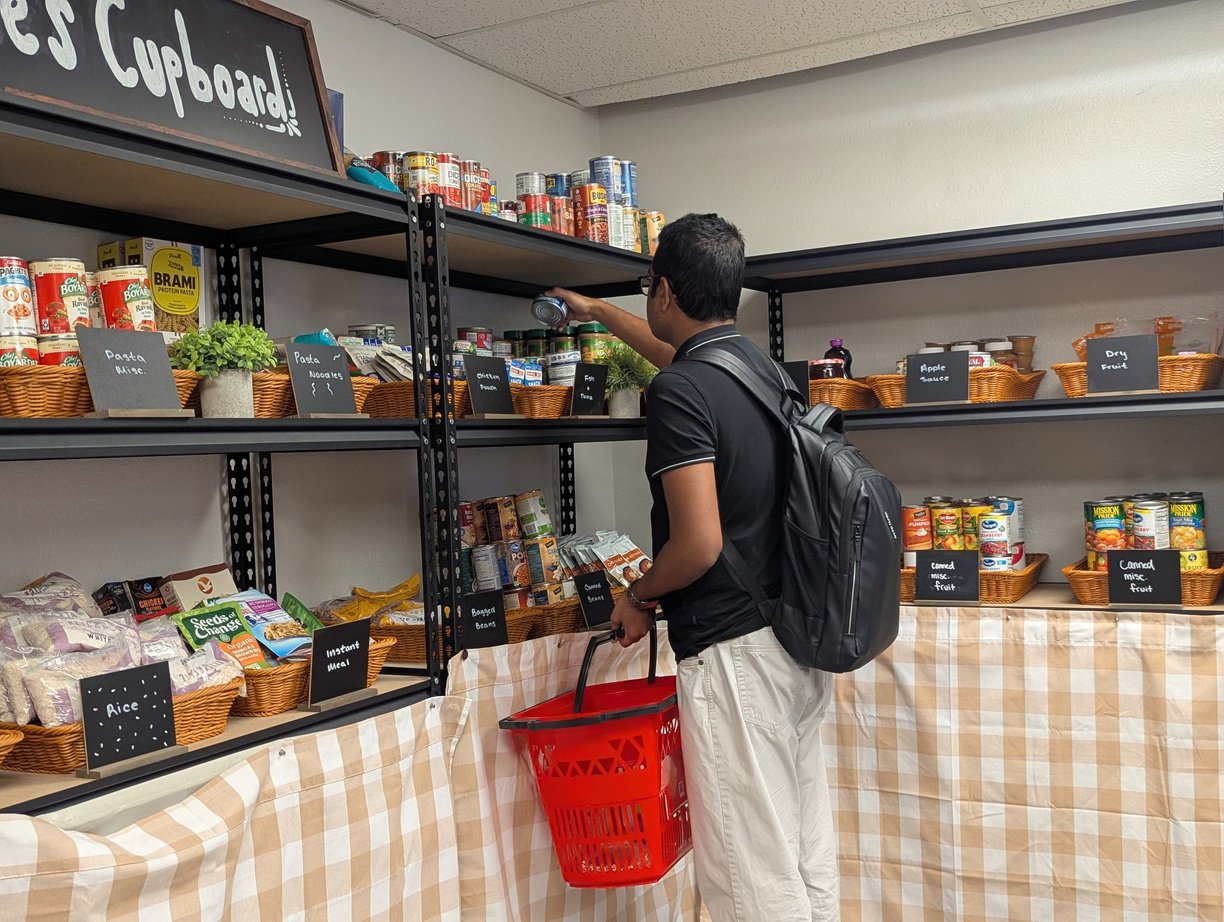
Additional Resources
Want to learn more? Need Election Info?
Questions?
Please contact our team at:
michel@nazhungeraction.org
www.facebook.com/nazhungeraction
www.nahap.org

